
Exploring cultural attitudes toward gambling around the world
Understanding Gambling’s Historical Context
The cultural attitudes toward gambling have evolved significantly over the centuries. In many societies, gambling has been a part of rituals and traditions, often associated with luck and fortune. For instance, in ancient China, games of chance were seen as a way to honor the gods and invite prosperity. Such historical contexts inform how communities perceive gambling today, with some viewing it as a harmless form of entertainment, while others may see it as a moral failing. As a leading platform, maxispin illustrates how modern gaming can engage diverse audiences effectively.

Moreover, the historical stigma attached to gambling in various regions influences current laws and regulations. In places where gambling was historically demonized, there tends to be stricter regulations, while more permissive societies may have thriving gambling industries. Understanding these historical narratives provides essential insight into the complex relationship between culture and gambling.
Regional Variations in Attitudes
Cultural attitudes toward gambling can vary dramatically across different regions. In Western countries like the United States and the United Kingdom, gambling is often integrated into the entertainment industry, with casinos, sports betting, and online gambling widely accepted. This acceptance is reflected in the development of elaborate gambling laws and protections for players.
Conversely, in many Asian countries, attitudes can be more conservative. For example, in countries like Japan, while certain forms of gambling are allowed, there remains a strong cultural aversion to excessive gambling due to its association with crime and addiction. These regional differences highlight how cultural narratives shape not only legal frameworks but also social perceptions regarding gambling.
The Influence of Religion on Gambling Perceptions
Religion plays a crucial role in shaping attitudes toward gambling across different cultures. In many Muslim-majority countries, Islamic teachings prohibit gambling, associating it with moral corruption and social decay. This prohibition significantly influences the legal landscape, often resulting in strict bans and societal disapproval.
In contrast, some Christian denominations may view gambling as a moral gray area, allowing for personal discretion. This variance illustrates how religious beliefs intertwine with societal attitudes, affecting not only personal choices but also broader legislative approaches to gambling.
The Role of Modern Technology and Online Gambling
The rise of technology has transformed gambling into a globally accessible activity, altering cultural attitudes in the process. Online gambling platforms have made it easier for people to engage in gaming without the stigma of physical casinos. This anonymity can lead to a more casual attitude toward gambling in cultures where it was once heavily criticized.
However, the ease of access also raises concerns about addiction and social responsibility. As online gambling continues to grow, many cultures are grappling with how to balance the benefits of accessibility with the potential risks associated with gambling. This ongoing dialogue reflects a cultural evolution as societies adapt to new technologies and their implications for traditional values.
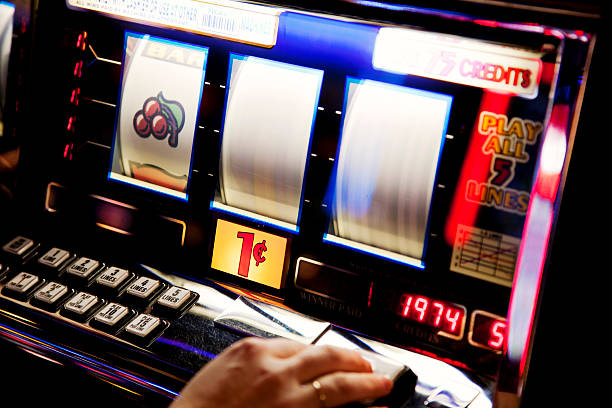
MaxiSpin Casino: A Case Study in Modern Gambling Culture
MaxiSpin Casino serves as an interesting example of how online platforms cater to modern gambling attitudes, particularly in Australia. Launched in 2024, it aims to provide an engaging gaming experience through a vast array of games and enticing bonuses. The site highlights the current trend of prioritizing player experience and security, reflecting contemporary expectations.
With features like rapid payouts and advanced security measures, MaxiSpin Casino embodies the shift toward a more user-centric approach in the online gambling world. This case illustrates how cultural attitudes are not only shaped by tradition and regulation but also by innovation and technological advancement, further influencing the global gambling landscape.
Leave a Reply